

Waymo Ojai Robotaxi Review: How It Compares to Amazon’s Zoox
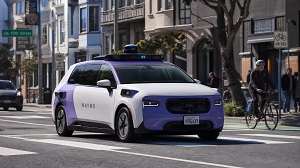 Say hello to Waymo’s newest robotaxi. The company has introduced a fresh model called “Ojai,” now operating in cities like San Francisco, Los Angeles, and Phoenix – and it’s shaping up to be a serious competitor to Amazon’s Zoox.
We recently took the Ojai for a ride in San Francisco. Compared to Waymo’s familiar Jaguar I-PACE SUVs, it’s noticeably less luxurious, but the ride remains smooth and practical, clearly built with scale and efficiency in mind.
Unlike the original fleet – Jaguar I-PACE vehicles equipped with Waymo’s signature stack of cameras, LiDAR, and radar – the Ojai is based on Geely’s Zeekr platform. Waymo installs its autonomous technology in the U.S., emphasizing that all core software and systems are domestically developed despite the vehicle’s Chinese manufacturing origin. The fleet currently includes over 100 Ojai units, far fewer than the thousands of I-PACEs already in service.
Design Changes and Sensor Optimization
The design immediately stands out. The Ojai’s sensors are more seamlessly integrated, avoiding the “bolted-on” look of earlier models. Waymo has also optimized costs by reducing hardware: cameras drop from 29 to 13, and LiDAR units from five to four, while radar remains unchanged.
Inside, the shift from luxury to utility is obvious. Gone are leather seats and plush finishes-instead, you get cloth seating and durable plastic flooring. The cabin feels minimal, even spartan, but intentionally so. It’s easier to clean, maintain, and operate at scale. Compared to competitors, comfort is decent, though not exceptional; longer rides may feel less forgiving.
The seating layout sticks to a traditional forward-facing setup, unlike Zoox’s face-to-face arrangement. While not as novel, it’s more familiar. Practical touches include cupholders, but no seatback pockets reducing the risk of forgotten items.
Where Ojai really improves is functionality. There’s significantly more legroom, a lower step-in height, and sliding doors that can be controlled remotely. These features make boarding easier, especially for families, children, and passengers with limited mobility. Accessibility is clearly a priority, with added grab bars and braille-labeled controls.
The sliding doors also solve a surprisingly real problem: in earlier models, Waymo sometimes relied on human assistance to properly close doors. Ojai eliminates that friction entirely.
In-Car Technology and Touchscreen Experience
Technology inside the cabin is another highlight. Three large touchscreens allow passengers to manage navigation, climate, music, and seating. The interface includes thoughtful visual cues – like showing what the car “sees” or why it’s stopped-helping build trust in the autonomous system. Night mode adjustments also prevent harsh lighting during evening rides.
Privacy remains intact with tinted rear windows, offering a more discreet experience than competitors like Zoox, where passengers are more visible.
While Waymo says there are currently no plans for in-car advertising, the presence of multiple screens and Alphabet’s advertising background suggests that could change in the future.
Overall, the Ojai trades luxury for practicality, focusing on efficiency, accessibility, and scalability. It may not feel premium, but it’s a clear step toward making autonomous ride-hailing more viable and more competitive.